June 9, 2026
Many commercial facilities underestimate the importance of grounding and lightning defense until a sudden strike disrupts their daily operations. To protect physical assets, expensive equipment, and workers, companies must prioritize setting up an effective setup to divert these hits.
A single lightning strike can easily tear through a roof, ruin low-voltage communication lines, corrupt digital files, or create an unsafe work environment. Setting up a professional lightning protection service offers a smart, proactive safety solution that captures these intense electrical surges and channels them safely into the ground, saving your building investment.
Analyzing the Nature of Atmospheric Strikes
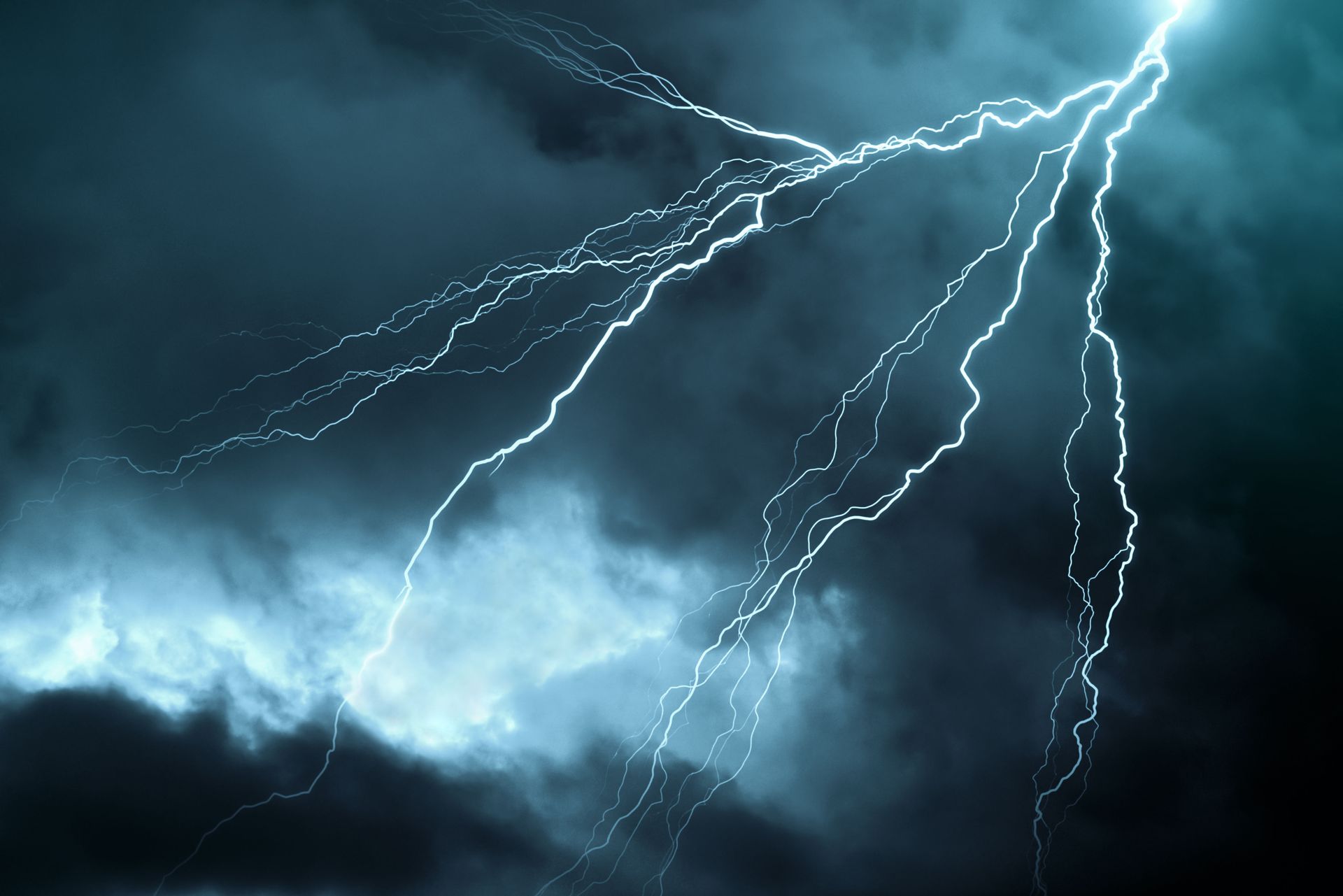
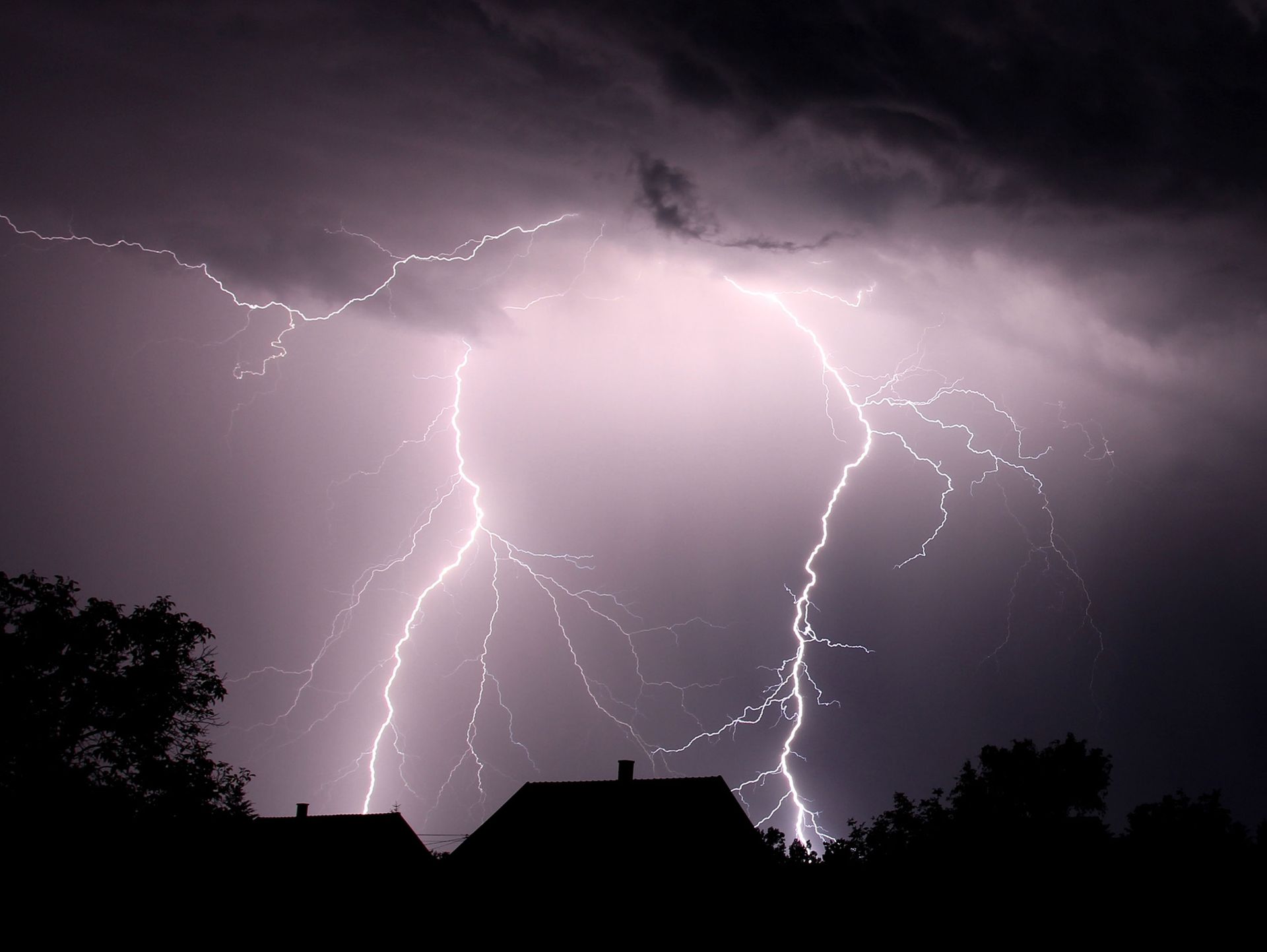
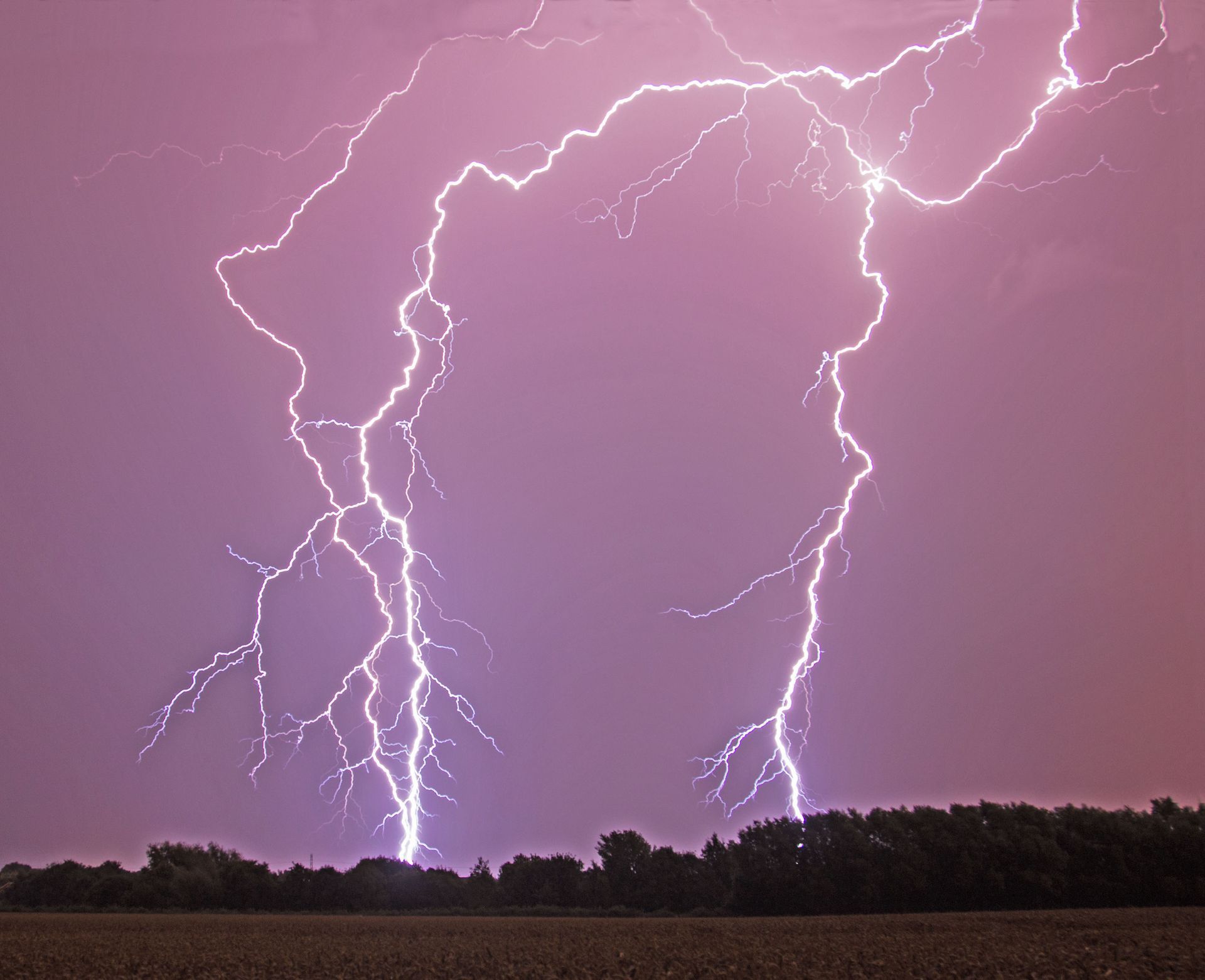
When severe weather creates huge electrical imbalances between storm clouds and the ground, it causes a rapid discharge of electricity. This powerful current naturally targets the most accessible ground point on the property. Looking closely at how this happens shows why tall industrial stacks, metal roof vents, and exposed ridges are at such high risk. These areas need an intentional, easy path for the energy to follow so it can scatter safely without causing harm.
Tracking National Strike Frequency Metrics
The odds of your building getting hit depend on your local weather patterns, how tall the structure is, and local humidity. This risk is a constant factor across the country.
According to tracking data updated by the National Weather Service, lightning strikes hit the ground within the U.S. about 25 million times throughout the year. Because of this high frequency, business properties face a regular threat of power surge damage. Leaving large manufacturing plants or logistics warehouses unprotected during heavy storms leaves your main roof areas completely vulnerable.
Quantifying Extreme Kinetic Energy Dispersions
The sudden, intense forces unleashed by a direct strike release massive voltage and extreme heat. When this huge electrical load hits standard building materials like metal pipes, wood supports, or brick walls, the natural resistance creates enough heat to instantly turn hidden moisture into steam. This pressure can pop concrete apart, warp heavy support pillars, and start fast-moving fires. It proves that building managers need a low-resistance path to manage this intense natural power safely.
Dispelling Common Safety Myths
A frequent mistake among building planners is relying on old myths about how electricity interacts with structures. For example, the historic belief that lightning never strikes the same place twice is completely false; tall, exposed buildings regularly take multiple hits during a single storm. Additionally, simply attaching a basic copper ground rod to a steel frame is not enough, as complete safety requires an integrated network of parts working together.
Quantifying Commercial Structural Risks
When a heavy strike hits a commercial roof without a diversion plan, the current can tear up masonry, crack concrete walls, and punch holes in weatherproofing layers. This direct structural damage can lead to major inventory losses from rain leaks. It results in high repair bills and severe operational delays, making an engineered interception system essential for protecting the main building shell.
Addressing Internal Electrical System Vulnerabilities
Lightning can severely disrupt a building's electrical framework, causing sudden power outages or complete equipment failure. The extreme voltage spike can melt internal wiring, ruin delicate circuits, and destroy automated office electronics.
Because electrical systems form the core of daily business operations, leaving them unprotected is a major risk. Without specialized safety equipment from a lightning protection service, a sudden surge can melt circuit paths, ruin expensive transformers, and trigger building-wide blackouts that stall your operations.
Shielding Critical Communication and Data Networks
In an era where digital files drive daily business, protecting communication loops from storm damage is vital. A sudden hit can cause massive data loss, fry router equipment, and bring down communications, stopping your business in its tracks. Utilizing a comprehensive lightning protection service creates a dedicated barrier that keeps delicate networks safe, preserving your electronic assets and keeping your communication lines open.
Controlling Immediate Industrial Fire Hazards
The most critical danger from an unmanaged strike is the immediate risk of a building fire breaking out in roof spaces or utility areas. Electrical arcs crossing between metal building pieces can quickly ignite dust in attics, old wood framing, or nearby gas lines. Setting up a professional system with an expert lightning protection service reduces these fire risks, works smoothly with automatic indoor sprinklers, and helps keep your entire team safe.
Preventing Machinery Overhauls and Downtime
Industrial plants house expensive machinery, automated assembly lines, and precise instruments that cannot handle sudden power shifts. A direct hit or a massive line surge can scramble system controllers and burn out electronic boards, leading to long production delays while you source hard-to-find replacement parts. Having a system that prioritizes safeguarding critical equipment ensures business continuity.
Structuring Core System Components
Air termination systems, commonly called lightning rods, are the frontline elements of a protection layout. Their main job is to intercept incoming strikes and offer a preferred path for the electricity to follow. Placing these copper or aluminum rods strategically along the highest points of a building helps capture potential hits, significantly reducing the risk of damage to critical facility zones.
Routing Multi-Strand Down-Conductor Cable Arrays
Down conductors are heavy-duty cables that carry the captured electricity safely from the roof rods down to the ground. These lines must be made of high-conductivity metals and installed along paths that offer the least possible resistance. A well-constructed layout ensures the energy flows downward smoothly without jumping into nearby interior wiring or plumbing lines.
Driving High-Capacity Earth Grounding Fields
The grounding system is where the extreme current safely empties into the dirt. It must neutralize the high energy quickly without creating secondary electrical feedback on the surface. Proper design requires low-resistance earth rods that are driven deep into the soil matrix. Regularly testing this Earth grid ensures it stays functional and compliant with basic safety rules, preserving your real estate investments.
Integrating Front-Line Surge Protective Devices
Surge protectors play a huge role in shielding your main electrical panels from high voltage caused by distant or direct strikes. These heavy-duty switches intercept incoming power spikes, instantly redirecting the excess energy away from your internal breaker boxes. For facilities where heavy machinery and data servers are essential, deploying these surge units offers a critical layer of defense.
Transforming an unprotected commercial property into a highly efficient, weather-tight shield requires a seamless combination of civil engineering insight, material science mastery, and precise field craftsmanship. From evaluating complex rooftop wind loads to driving deep subterranean grounding rods, every distinct phase of system installation dictates the long-term safety and financial value of your property assets. Entrusting your facility renovations to a certified, credentialed lightning protection service ensures that your building layout receives the detailed, custom-engineered care required to withstand intense environmental forces through changing seasonal transitions.
Michigan Lightning Protection provides the advanced technical skills, premium material lines, and master trade certifications necessary to optimize your property's exterior safety systems. Our established firm specializes in delivering top-tier structural defense options. We work closely with residential, commercial, and industrial property managers to analyze structural vulnerabilities, executing calculated updates that satisfy all modern safety codes and keep your internal infrastructure running smoothly. If you are ready to eliminate electrical vulnerabilities, stabilize your risk management profile, and invest in a comprehensive lightning protection service, contact Michigan Lightning Protection today to consult with our engineering specialists and secure a high-durability safety network for your property.