April 9, 2026
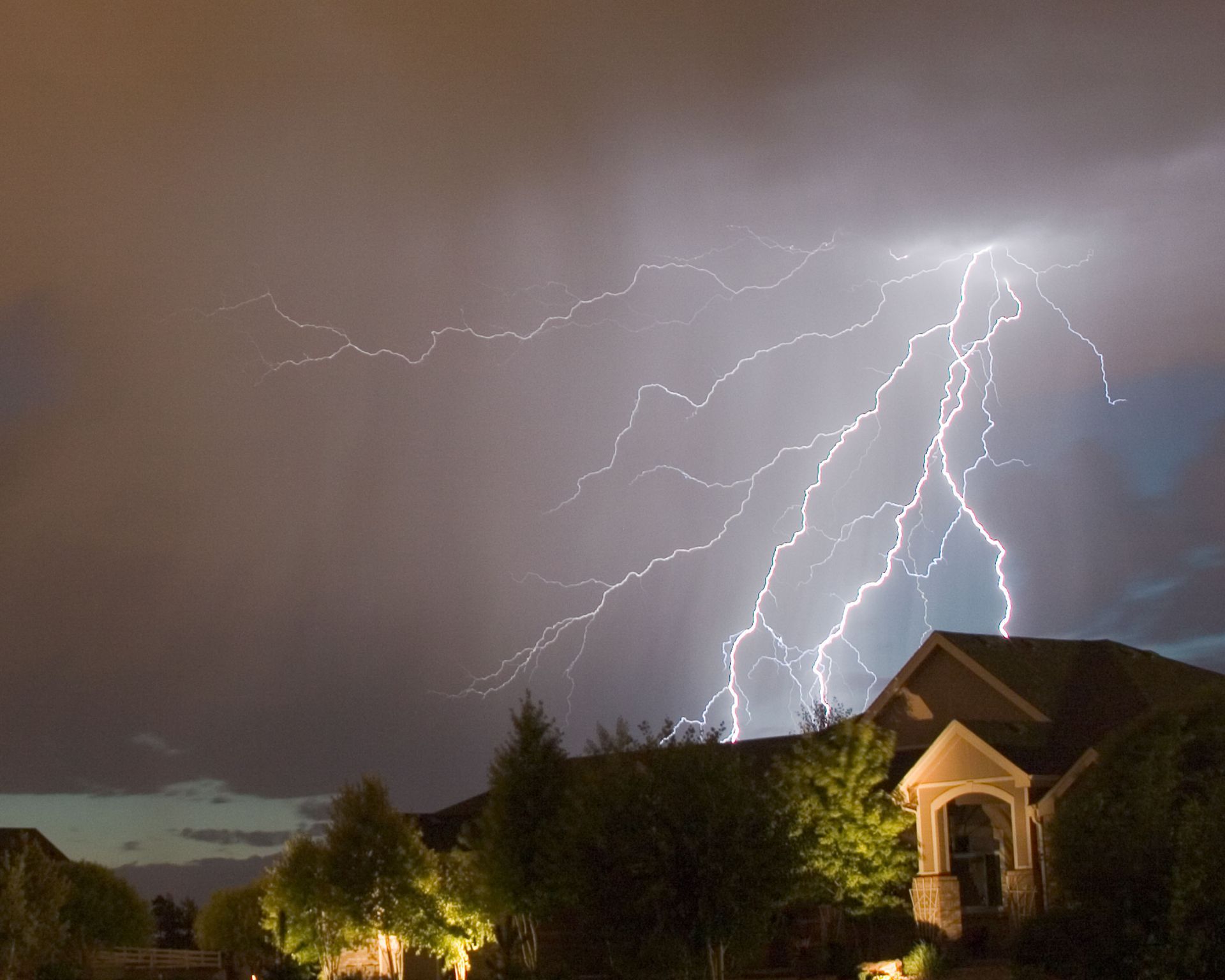
Lightning strikes can be unpredictable, destructive, and costly. While some property owners assume their buildings are safe from nature’s electrical fury, the truth is that any structure — residential or commercial — can be vulnerable. Lightning protection services provide a proactive solution to prevent damage, reduce repair costs, and safeguard the people and valuables inside your property. Knowing the warning signs that your property may need professional lightning protection is the first step toward peace of mind.
1. Visible Structural Vulnerabilities
One of the clearest signs your property may need a lightning protection service is visible structural vulnerability. Older buildings with tall rooftops, spires, or ungrounded metal components are more susceptible to lightning strikes. Tall structures naturally attract lightning, and without proper grounding systems, the electrical energy can travel through the building’s wiring or plumbing, causing fires, equipment damage, or even personal injury. Properties with pointed rooftops, metal chimneys, or antennas are particularly at risk. Installing a lightning protection system ensures these features are properly grounded and insulated, minimizing the likelihood of electrical fires or structural damage.
2. Previous Lightning or Electrical Damage
If your property has previously experienced a lightning strike or repeated electrical surges, it’s a strong indicator that a lightning protection service is necessary. Even if the damage was minor or seemed cosmetic, repeated exposure can weaken the structural integrity of your property and compromise safety systems. Electrical components, wiring, and appliances can degrade over time, making your property more susceptible to future strikes. Professional lightning protection systems intercept and redirect electrical charges safely into the ground, preventing these recurring hazards.
3. Outdated Electrical Systems
Older electrical systems are often ill-equipped to handle unexpected surges caused by lightning. If your property has outdated wiring, fuse boxes, or circuit breakers, it becomes a prime candidate for lightning protection service installation. Modern surge protection devices and grounding mechanisms can shield sensitive electronics, HVAC systems, and other essential equipment from the destructive power of lightning. By addressing vulnerabilities before a strike occurs, property owners can avoid costly repairs and replacements.
4. Lack of Grounding Systems
A property lacking proper grounding systems is an obvious candidate for a lightning protection service. Grounding provides a safe pathway for electrical energy to travel into the earth instead of coursing through your building’s structure. Without grounding, lightning can ignite fires, damage electrical appliances, and endanger occupants. Grounding systems involve copper or aluminum conductors, rods, and bonding connections that ensure lightning energy is safely dispersed. If your property lacks these systems, it’s a significant risk that warrants professional assessment.
5. Tall Trees or Structures Nearby
Properties surrounded by tall trees, towers, or other elevated structures are more likely to be struck by lightning. Trees can transmit lightning to nearby buildings, and towers can attract strikes directly onto your property. If you notice large, tall trees or antennae near your home or business, it’s wise to consider a lightning protection service. Lightning protection systems create a safer perimeter by intercepting strikes before they reach your building and directing the energy safely into the ground.
6. High-Value Electronics or Equipment
Buildings housing expensive electronics, servers, or critical equipment are especially vulnerable to lightning strikes. A single surge can destroy computers, home theater systems, HVAC units, and industrial machinery. If your property relies on costly or mission-critical technology, investing in lightning protection is a smart preventive measure. Surge protectors alone are often insufficient; a professionally installed lightning protection service offers a comprehensive solution, shielding the building and everything inside it from high-voltage surges.
7. Frequent Storm Activity
Areas prone to frequent thunderstorms or lightning activity are natural candidates for lightning protection services. Even if your property has never been struck, repeated exposure increases the likelihood of future incidents. Properties in regions with high storm density are statistically more vulnerable to lightning-related damage. According to Money Geek, about one in 20 insured homeowners file a claim each year, whether it’s related to fire and lightning, water damage, or theft. This highlights how significant the financial and structural risk of lightning strikes can be, even in well-maintained properties.
8. Insurance Concerns
If your insurance provider flags lightning strikes or surge damage as a high-risk factor, this may indicate your property needs additional protection. Many insurance companies offer incentives for installing lightning protection systems, recognizing their effectiveness in preventing costly claims. Installing a lightning protection service can reduce premiums, protect assets, and provide documentation that proactive safety measures are in place.
9. Inconsistent Metal or Roofing Materials
Properties with mixed roofing materials, metal rooftops, or extensive metal framing are more susceptible to lightning damage if not properly grounded. Metal is a natural conductor of electricity, and when lightning strikes, it can travel through unprotected materials, igniting fires or damaging structural components. A lightning protection service ensures that all metallic elements are safely bonded and grounded, creating a continuous path for energy to reach the earth safely.
Buildings with outdoor storage, patios, or recreational facilities may seem less critical, but they can still attract lightning strikes. Wooden decks, sheds, and open-air structures can ignite if lightning strikes nearby. A comprehensive lightning protection service evaluates all areas of your property, not just the main building, ensuring full coverage and minimizing the risk of damage across your entire site.
Professional Assessment is Key
Identifying these warning signs is the first step, but a professional assessment ensures that your property receives a tailored solution. Certified lightning protection specialists evaluate building height, materials, the surrounding environment, and electrical systems to design a protection plan. This can include air terminals, down conductors, grounding rods, and surge protection devices installed strategically for maximum safety. A professional assessment considers all risk factors and implements a system that minimizes potential damage, providing peace of mind for homeowners and business owners alike.
A lightning protection service works best when integrated with other preventive measures. Fire alarms, sprinkler systems, surge protectors, and regular electrical inspections complement lightning protection, creating a holistic safety plan. Together, these measures reduce the likelihood of catastrophic events, safeguard occupants, and protect valuable assets. Investing in both physical lightning defenses and systemic electrical safeguards offers a comprehensive approach to property safety.
Cost vs. Consequence
Many property owners hesitate to invest in lightning protection due to perceived cost. However, the financial consequences of fire, structural damage, or destroyed electronics often far exceed the installation price of a proper system. A professionally installed lightning protection service is a preventive investment that protects both the property and its contents. When considering long-term risks, prevention is not just smarter — it’s more cost-effective.
Not all providers offer the same level of expertise. Look for companies with certifications, proven experience, and strong references. Ensure they use recognized standards such as those outlined by the Lightning Protection Institute (LPI) and employ certified installers. The right provider delivers not just equipment but a comprehensive, professionally engineered system tailored to your property.
Lightning is a force of nature that can strike without warning, but its impact can be mitigated with a professionally installed lightning protection service. By recognizing the warning signs — structural vulnerabilities, prior electrical damage, nearby tall objects, high-value equipment, frequent storms, and more — you can take proactive steps to protect your property. Lightning protection systems reduce risk, protect assets, and provide peace of mind for homeowners and business owners alike. Protect your home or business from lightning damage — contact us today to schedule a professional lightning protection service and ensure the safety of your property and loved ones with Michigan Lightning Protection, Inc.